
Residential Gas Line Relocation in Norwalk
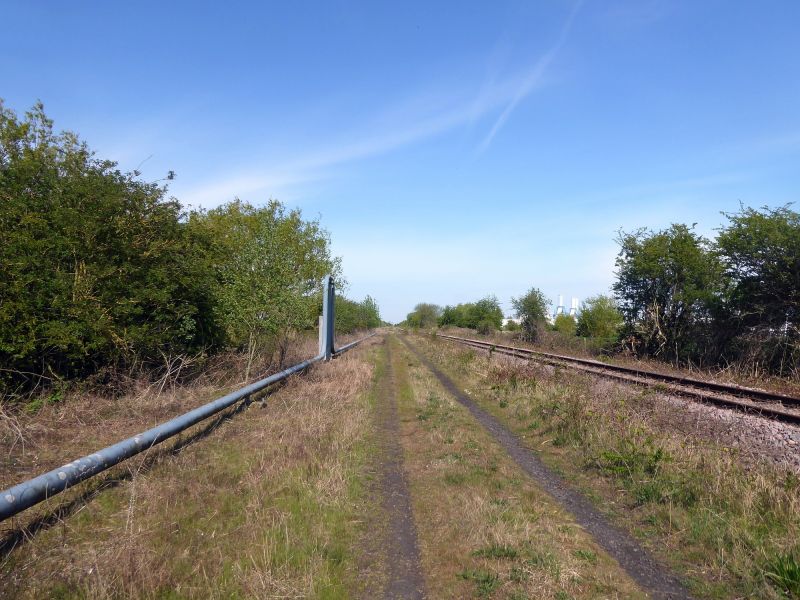
Professional relocation of residential gas lines to accommodate new construction or remodeling projects.
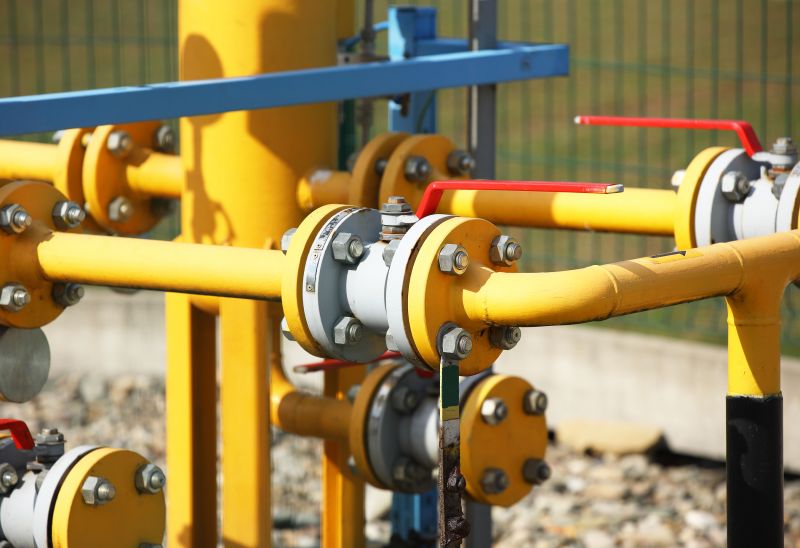
Replacing existing gas pipes to ensure safety and compliance with local regulations.
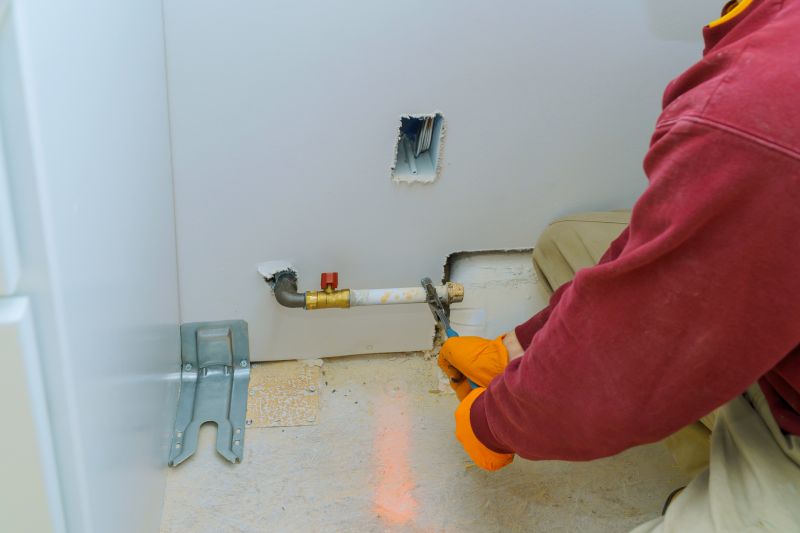
Expert installation of new gas lines for residential properties.
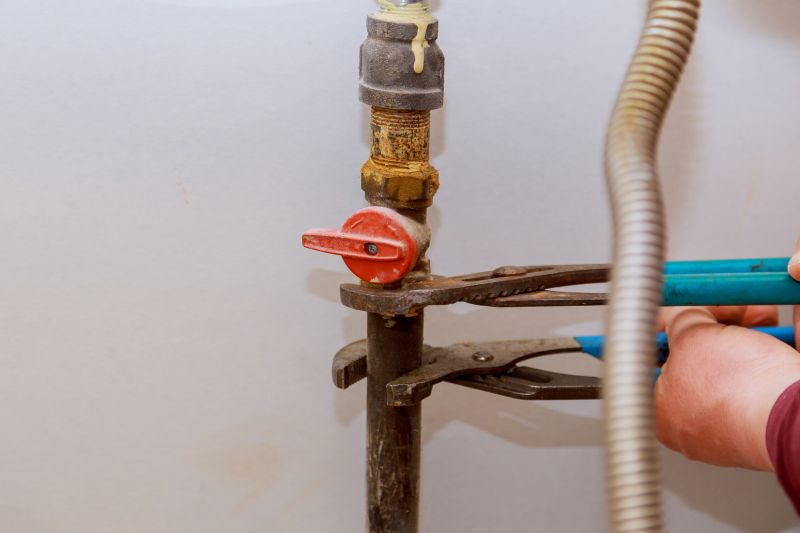
Ways to make Gas Line Relocation work in tight or awkward layouts.
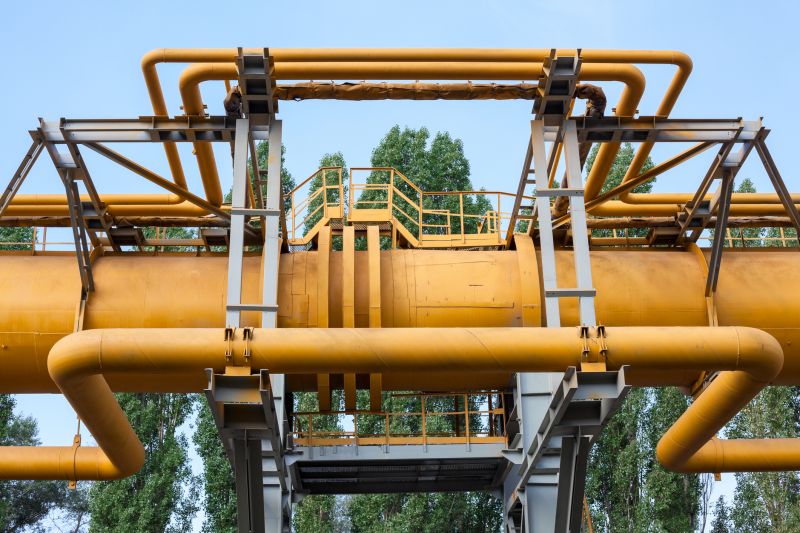
Popular materials for Gas Line Relocation and why they hold up over time.
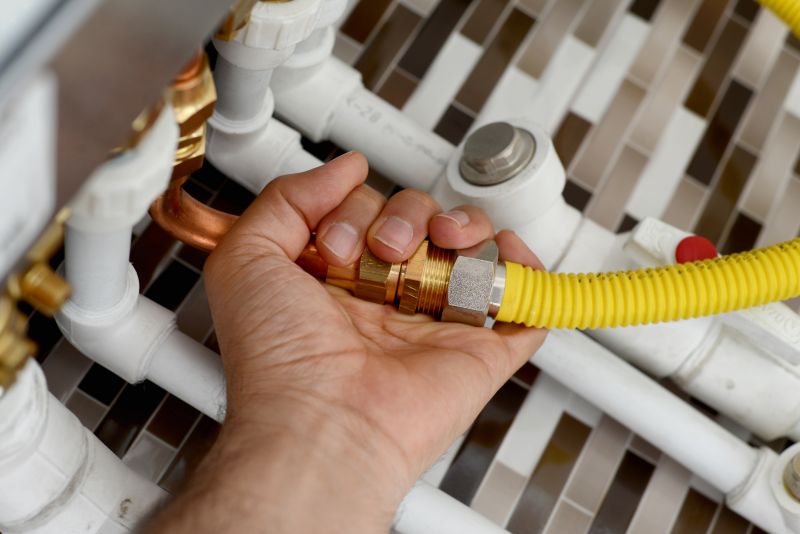
Simple add-ons that improve Gas Line Relocation without blowing the budget.
Includes neighborhoods and surrounding areas within Norwalk, CT, ensuring comprehensive service coverage.
Average project duration ranges from 1 to 3 days, depending on complexity and property size.
Home renovations, new landscaping, or expanding property boundaries often necessitate gas line relocation.
Relocating gas lines requires careful planning to prevent leaks and ensure safety during and after the process.
| Area | Service Availability |
|---|---|
| East Norwalk | Yes |
| South Norwalk | Yes |
| West Norwalk | Yes |
| Brunswick | Yes |
| Rowayton | Yes |
| Silvermine | Yes |
| Saugatuck | Yes |
| South Wilton | Yes |
The process of relocating a residential gas line involves careful planning, excavation, pipe removal, and installation of new piping. Each step is performed to meet safety standards and local codes, ensuring a secure and reliable gas supply after the move.
Homeowners can expect the entire gas line relocation process to take between one and three days, depending on the scope of work and property layout. Proper planning minimizes disruptions and ensures timely completion.
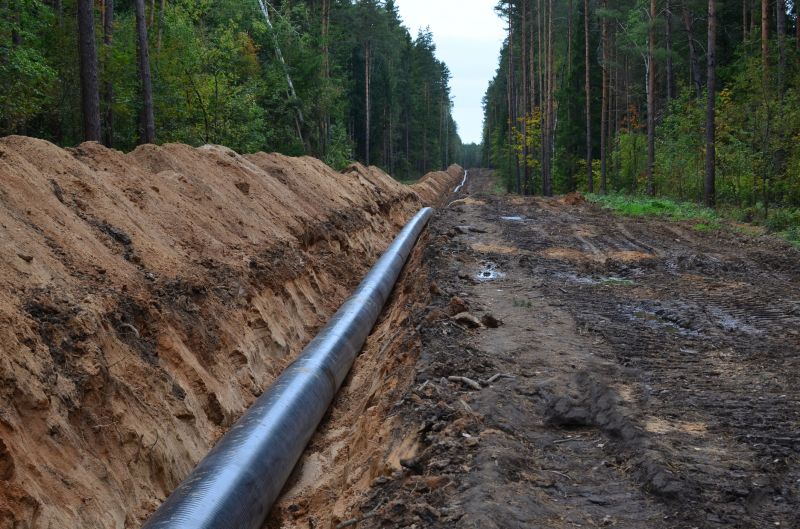
Careful digging to access existing gas lines before relocation.
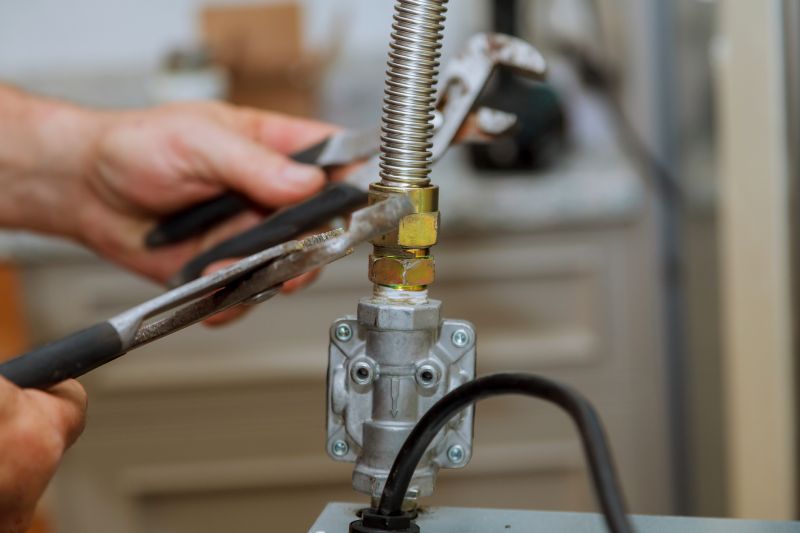
Installing new piping that meets safety and code requirements.
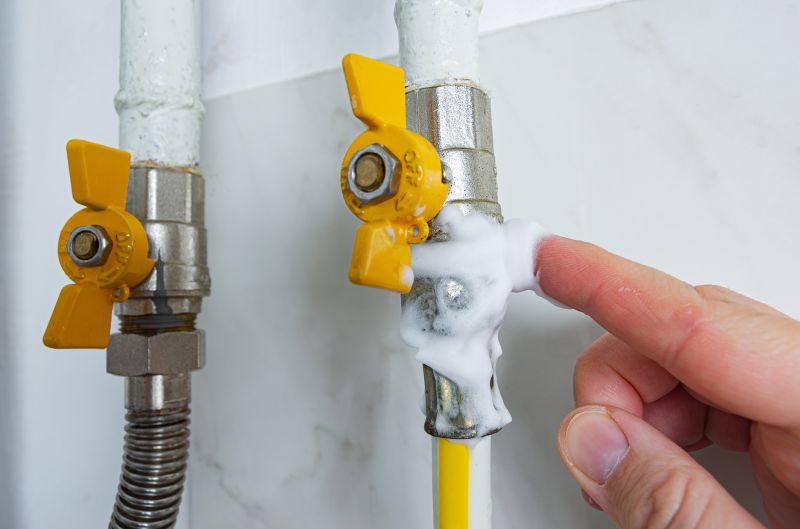
Ensuring the new gas line is secure and leak-free through thorough testing.
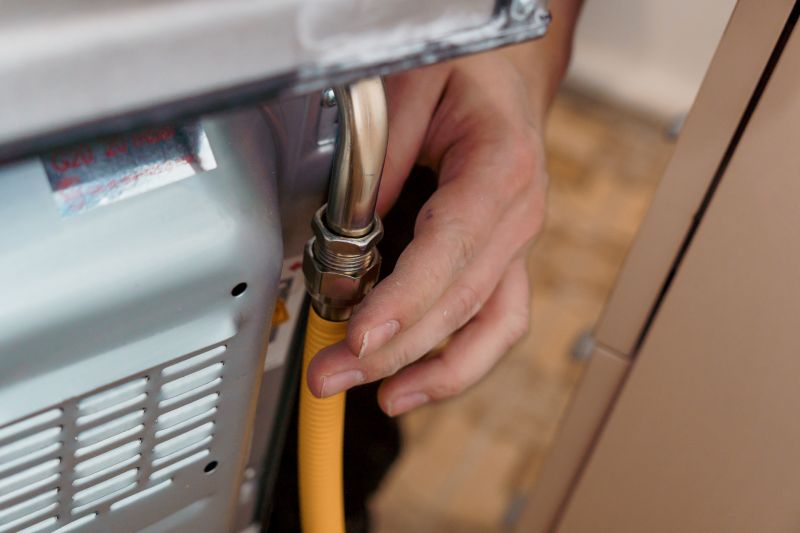
Connecting the relocated gas line to appliances and main supply.
Relocating a gas line involves multiple steps, including excavation, pipe installation, and safety inspections. Proper execution ensures long-term reliability and safety for residential properties.
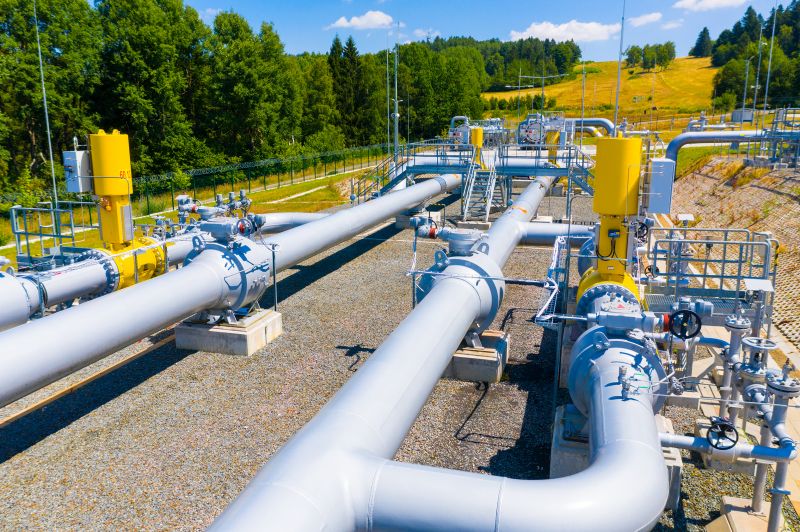
Existing gas lines in place before the start of work.
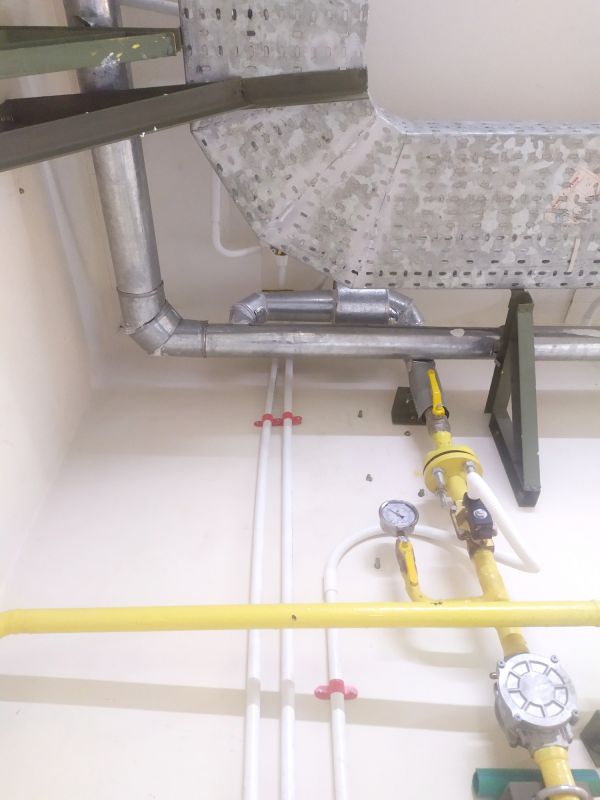
Work in progress with new piping being installed.
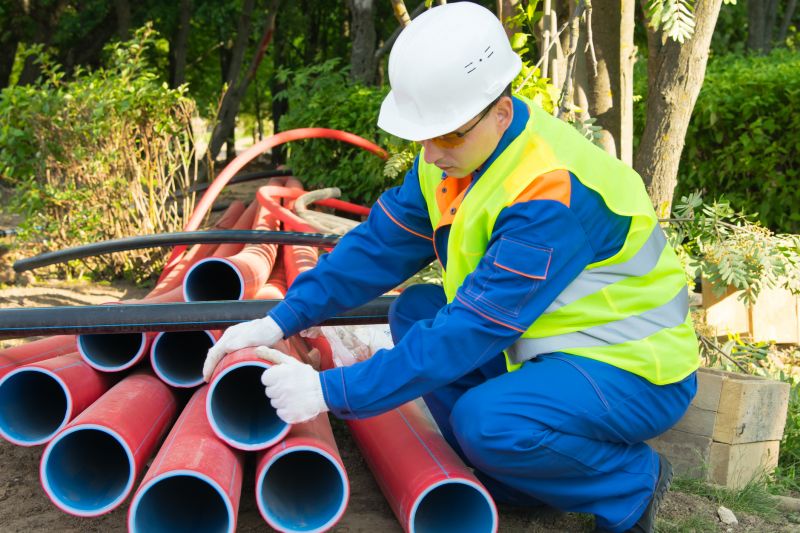
Final safety checks and testing after installation.
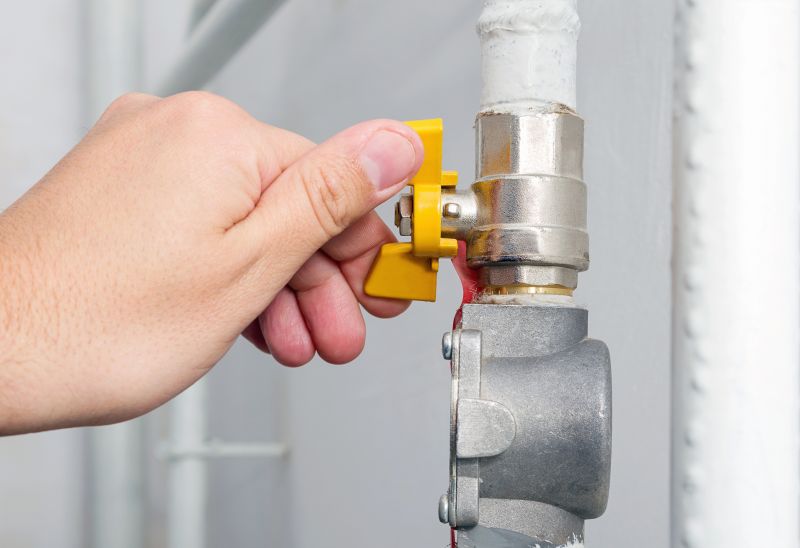
Relocated gas line fully operational and safe.
Residents interested in relocating their gas lines are encouraged to contact for detailed assessments and quotes. Proper planning and execution are essential for safety and compliance.